Key takeaways
- Black mold symptoms include respiratory irritation, headaches, and fatigue that worsen indoors.
- Only a lab test can confirm Stachybotrys - you can't identify it by sight.
- Never disturb suspected black mold; it releases spores into the air.
- Removal must be paired with fixing the moisture source or it returns.
What black mold does to your health
Black mold exposure affects people differently depending on how much is present, how long you've been around it, and how sensitive you are. Infants, older adults, and anyone with asthma or a weakened immune system tend to react more strongly.
The most commonly reported symptoms include:
- Coughing, wheezing, and a persistent stuffy or runny nose
- Irritated, itchy, or watering eyes
- Throat irritation and sinus congestion
- Headaches and unexplained fatigue
- Worsening asthma or allergy symptoms indoors
- Skin irritation on contact
How to tell if it's actually black mold
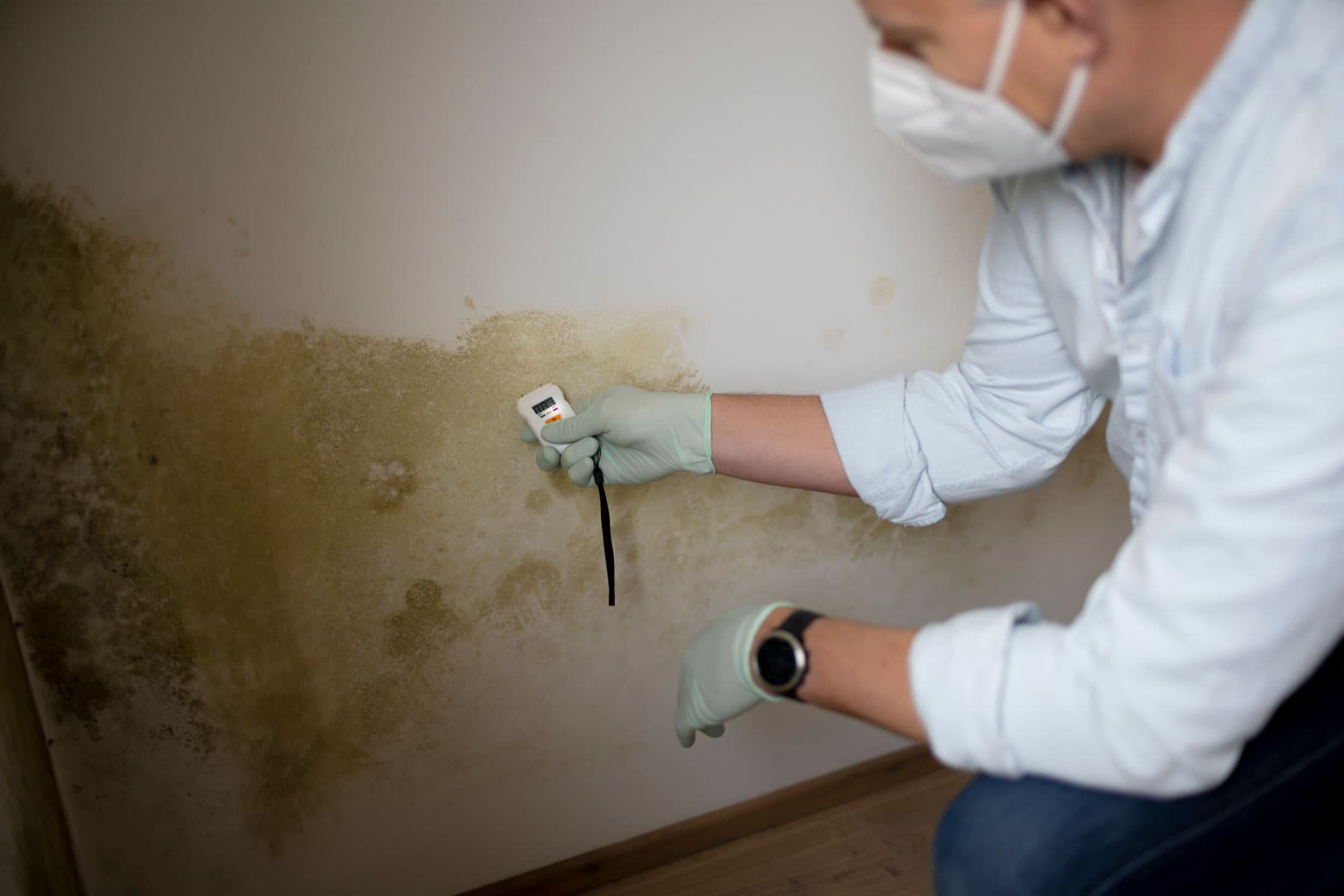
Stachybotrys usually looks dark green to black with a slimy or wet sheen, and it grows on materials that have stayed wet for a while: drywall, ceiling tiles, wood, and paper backing. The problem is that plenty of harmless molds look the same, and some genuinely toxic ones don't look like much at all.
You cannot confirm black mold by sight. The only way to know is laboratory analysis of an air or surface sample. That's why a mold inspection and lab test is the right first step if you suspect it, rather than guessing.
What to do right now if you suspect black mold
If you think you've found black mold, the most important thing is to leave it alone. Disturbing it - scrubbing, knocking out drywall, running a fan at it - releases a burst of spores and mycotoxins into the air you breathe.
- Don't touch, scrub, or try to remove it yourself
- Keep the area closed off and limit time spent in the room
- Turn off any fans or HVAC that could blow spores around the house
- Don't paint over it - encapsulant paint does not kill mold
- Call for a professional assessment with lab confirmation
Why DIY removal backfires
The reason professional black mold removal uses sealed containment, negative air pressure, and HEPA filtration is that the act of removing mold is the most dangerous moment for spreading it. Tackling it with a spray bottle and a garbage bag almost guarantees you'll move spores into other rooms, and you'll likely leave the moisture source untouched so it grows back.
Black mold is also a symptom. It only grows where something has stayed wet, so removal without fixing the leak, humidity, or drainage problem is temporary at best.
Worried about mold in your Halifax home?
Get a certified assessment with thermal imaging and lab testing. Free written quote, insurance direct billing, clearance testing on every job.
Frequently asked questions
How quickly does black mold affect your health?
It varies by person. Sensitive individuals can notice irritation within hours of heavy exposure, while others take longer or barely react. Symptoms that consistently improve when you're away from home are a strong signal that something in your indoor air, often mold, is the cause.
Is all black-coloured mold toxic?
No. Many dark molds are common and relatively harmless, and colour alone tells you nothing definitive. The toxigenic species people worry about, like Stachybotrys, can only be confirmed with laboratory testing of a sample.
Can I stay in my house with black mold?
For small, contained areas you can often stay while limiting time in the affected room. For larger growth or if anyone is experiencing health symptoms, it's safer to limit exposure and get a professional assessment quickly to determine whether temporary relocation makes sense during removal.