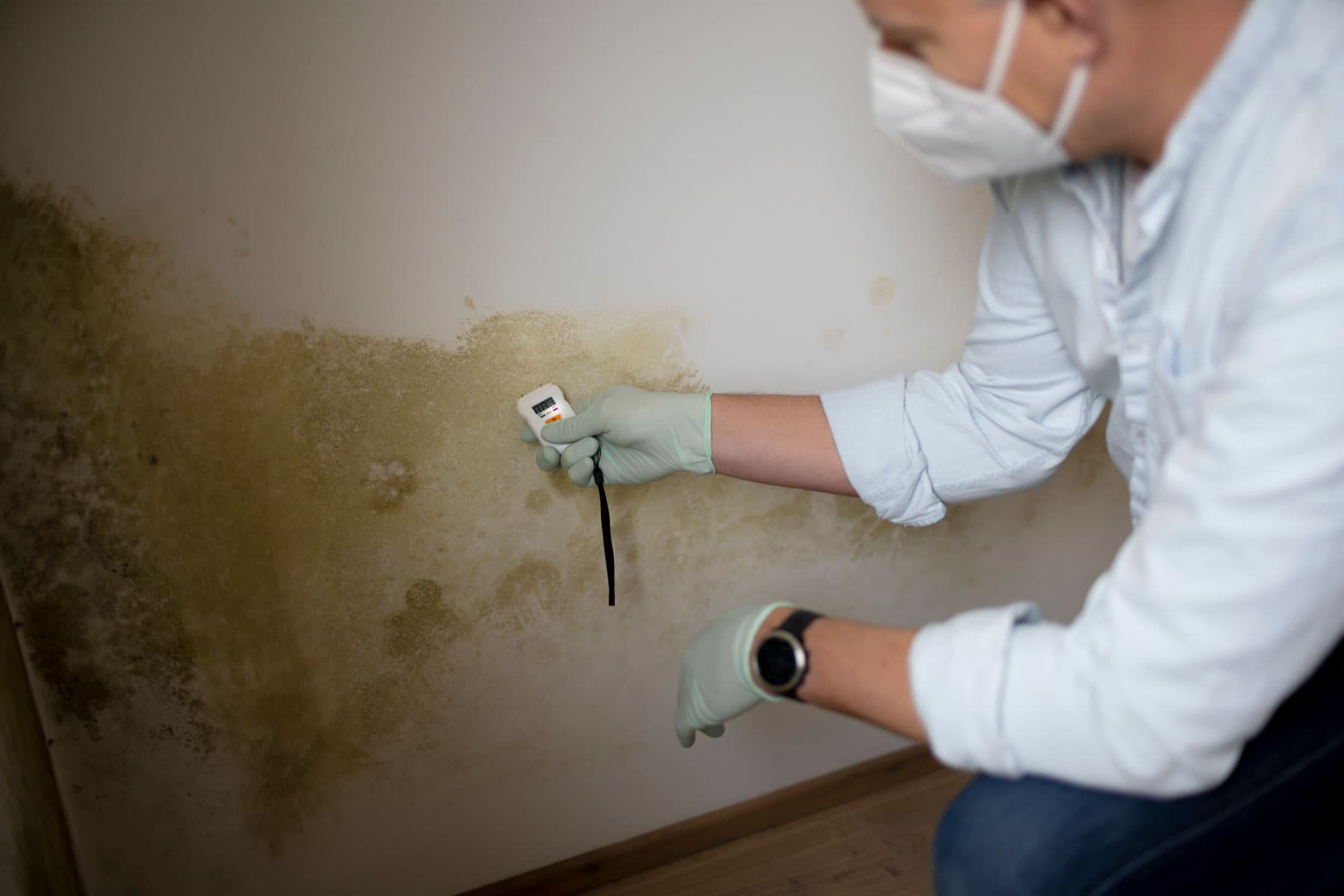
Key takeaways
- Always fix the moisture source first, or mold returns.
- DIY is fine for small surface mold on hard materials only.
- Larger growth, porous materials, and suspected black mold need a professional.
- Insist on independent clearance testing to verify the work.
First, find the moisture
Mold is always a symptom of a moisture problem. Before you clean anything, figure out where the water is coming from: a plumbing leak, condensation, a damp crawl space, poor attic ventilation, or foundation seepage. If you skip this step, you're just buying a few weeks before it returns.
In Halifax, the usual sources are coastal humidity, winter condensation, crawl space dampness, and water that was never properly dried after a leak. If a past leak is the culprit and the area is still damp, you may actually need water damage restoration and structural drying before any mold work makes sense.
When you can handle it yourself
Small patches of surface mold on hard, non-porous materials are reasonable to tackle yourself. Think a bit of mold on bathroom tile, a window sill, or a small section of grout - roughly under a square metre.
- Wear gloves, an N95 mask, and eye protection
- Use soap and water or a dedicated mold cleaner on hard surfaces
- Dry the area completely and improve ventilation
- Watch the spot for a few weeks to confirm it doesn't return
When to call a professional
Some situations are beyond a spray bottle, and pushing ahead anyway tends to spread spores and make things worse. Call a pro when:
- The affected area is larger than about a square metre
- Mold is on porous materials like drywall, insulation, or carpet
- You suspect black mold or anyone has health symptoms
- Mold is in the crawl space, attic, or inside wall cavities
- It keeps coming back after you clean it
- It followed a flood or major leak, or you're filing an insurance claim
How professional remediation actually works
Proper mold remediation is a contained, documented process, not a cleaning visit. The work zone is sealed with poly barriers and put under negative air pressure so spores can't escape. HEPA air scrubbers run throughout. Affected porous materials are removed, surfaces are HEPA-vacuumed and treated with antimicrobials, and everything is disposed of properly.
The job isn't considered done until an independent lab confirms the air is clear. For attics and crawl spaces, that also means correcting the ventilation or treating the crawl space so the moisture that caused it is gone for good.
The step almost everyone skips
Clearance verification. After removal, you want proof the spore counts are back to normal, not just a clean-looking wall. A third-party clearance test gives you that proof, which matters for your own peace of mind, for selling the home later, and for any insurance documentation. If a company won't verify their own work, that's worth questioning.
Worried about mold in your Halifax home?
Get a certified assessment with thermal imaging and lab testing. Free written quote, insurance direct billing, clearance testing on every job.
Frequently asked questions
Does bleach kill mold?
Bleach can remove surface mold from hard, non-porous materials, but it doesn't work well on porous surfaces like drywall or wood because the roots grow below the surface where bleach doesn't reach. For anything beyond minor surface mold, removal of the affected material is more effective than trying to bleach it.
How long does professional mold removal take?
It depends on the scope. A single wall or bathroom is often 1 to 2 days. Basement and crawl space projects typically run 3 to 5 days. You'll get a specific timeline in your written quote before any work starts.
Will the mold come back after removal?
Only if the moisture source isn't fixed. That's why proper remediation always identifies and corrects the underlying moisture problem before removal, and finishes with clearance testing to confirm the job worked.