Key takeaways
- Mold from sudden, accidental water events is usually covered; gradual moisture usually isn't.
- Acting fast both limits damage and protects your claim.
- Thorough documentation of cause and clearance is what gets claims approved.
- We bill major NS insurers directly and prepare the adjuster paperwork.
The rule of thumb: sudden vs. gradual
Most NS home insurance policies cover mold when it results from a sudden, accidental, covered event. They generally do not cover mold that develops slowly from a problem you could have addressed.
Covered scenarios usually include:
- A burst or frozen pipe that floods a room
- An appliance failure like a dishwasher or washing machine overflow
- A sudden roof or window leak from a storm
- A hot water tank that lets go
What's usually not covered
The flip side is gradual or preventable moisture. Insurers expect homeowners to maintain the property, so the following are commonly excluded:
- A slow leak under a sink that went unnoticed for months
- Chronic condensation and high indoor humidity
- A damp crawl space or poor attic ventilation
- Long-term foundation seepage
- General lack of maintenance
Why fast action protects your claim
Insurers also look at whether you acted reasonably once the problem started. A burst pipe is covered, but if you leave the water sitting for two weeks and mold spreads, they can argue the mold damage was avoidable. Calling for water damage restoration quickly does double duty: it limits the damage and it shows you mitigated, which strengthens the claim.
Mold begins to colonize within about 48 hours of sustained moisture, so the clock matters both for your home and for your coverage.
How to document a mold claim
Good documentation is what turns a maybe into a yes. Adjusters want to see the cause, the extent, and proof the work was done properly.
- Photograph the source and the damage as soon as you find it
- Keep receipts for any emergency mitigation
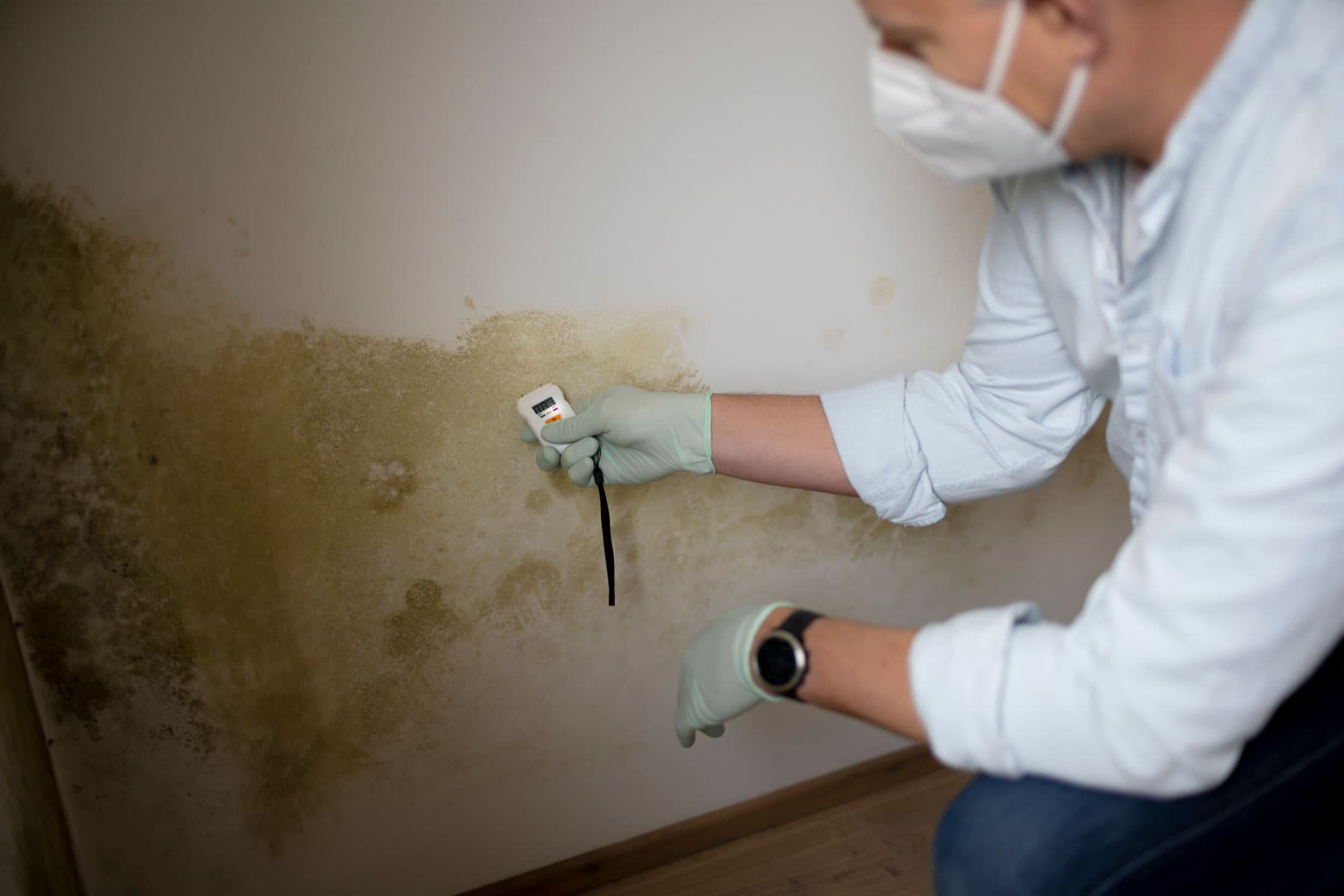
- Get a professional assessment that documents causation
- Use a remediation company that provides moisture logs, photos, and a clearance report
- Report the claim promptly rather than waiting
We handle the paperwork
We bill major NS insurers directly for covered claims, and we prepare the causation evidence, moisture logs, photos, and clearance documentation your adjuster needs. That documented remediation process is what protects both your claim and your home's value down the line.
Worried about mold in your Halifax home?
Get a certified assessment with thermal imaging and lab testing. Free written quote, insurance direct billing, clearance testing on every job.
Frequently asked questions
Does insurance cover black mold removal?
If the black mold resulted from a sudden covered water event and you acted promptly, it's typically covered like any other resulting mold damage. The species matters less than the cause of the moisture and how quickly it was addressed.
What if I'm not sure whether my mold is covered?
Get a professional assessment that documents the cause. Often the source determines coverage, and clear causation evidence is exactly what your adjuster needs. We can document the cause and deal directly with your insurer.
Will filing a mold claim raise my premiums?
That's between you and your insurer and depends on your policy and history. What we can do is make sure a covered claim is documented properly so you receive the coverage you're entitled to, with the paperwork handled for you.