Key takeaways
- Keep indoor humidity between 40% and 50%, especially through the heating season.
- Make sure bathroom and kitchen fans vent outside, not into the attic.
- An open crawl space is a constant moisture source - encapsulation is the lasting fix.
- Most mold starts as a small leak that was left to sit. Dry water within 48 hours.
Know your humidity target
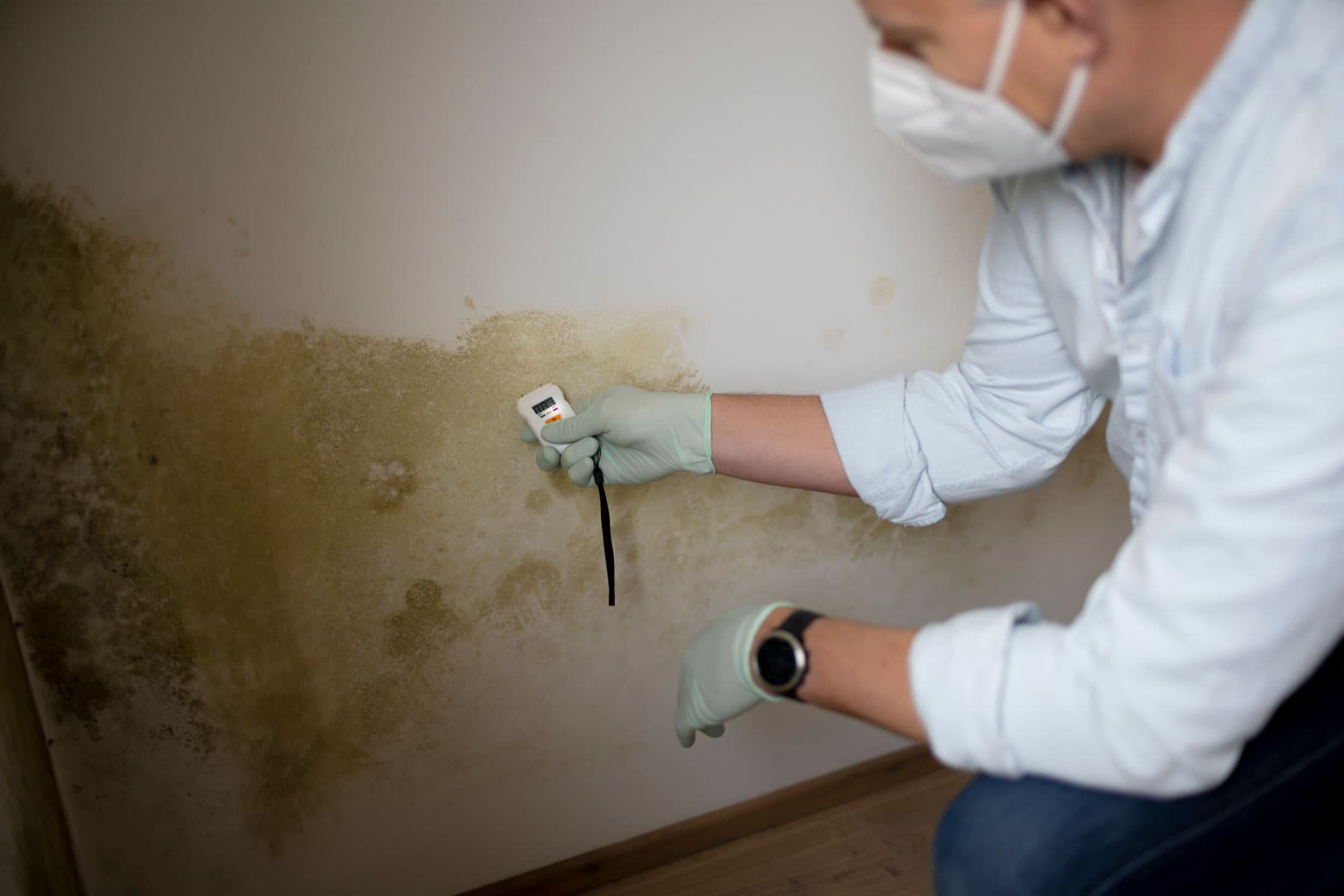
The single most effective thing you can do is keep indoor relative humidity below 50%, ideally between 40% and 50% through the heating season. Mold struggles to grow below that line. A cheap hygrometer (humidity gauge) in your basement and main living area tells you where you stand for about twenty dollars.
If your readings sit above 55% for long stretches, that's your warning to add dehumidification or improve ventilation before mold gets started.
Move the air
Stagnant, humid air against cold surfaces is how mold begins. Ventilation breaks that cycle:
- Run bathroom exhaust fans during and for 20 minutes after every shower
- Make sure exhaust fans vent outside, not into the attic - a very common Halifax mistake
- Use your range hood when cooking
- Keep your HRV (heat recovery ventilator) maintained and running if you have one
- Leave space behind furniture on exterior walls so air can move
Deal with the crawl space
In a coastal climate, an open or vented crawl space is a permanent moisture source - humid Atlantic air comes in, hits cool surfaces, and condenses on your floor joists. It's one of the most common hidden mold drivers in Halifax homes.
The lasting fix for a damp crawl space is a full crawl space mold remediation - clearing mold, installing a heavy-duty vapour barrier, and adding a dehumidifier so the air below your floor stays dry year-round. It protects the structure and stops mold from feeding the air upstairs.
Watch the attic
Attic mold in Halifax is almost always a ventilation story. Warm, moist air rises from the living space, and if the attic can't breathe through its soffit and ridge vents, that moisture condenses on cold roof sheathing all winter. The result is widespread mold on the underside of the roof.
Keeping soffit vents clear, making sure bathroom fans exit through the roof, and maintaining good attic airflow prevents it. If you already see staining up there, that's a job for attic mold remediation with ventilation correction.
Stay ahead of leaks
Most big mold problems start as small water problems that were ignored. Check under sinks, around the hot water tank, and along basement walls now and then. Clean your gutters and keep grade sloping away from the foundation. And if you do get a leak or flood, dry it properly and fast - within 48 hours - so it never becomes a mold job.
Worried about mold in your Halifax home?
Get a certified assessment with thermal imaging and lab testing. Free written quote, insurance direct billing, clearance testing on every job.
Frequently asked questions
What humidity level prevents mold?
Keeping indoor relative humidity below 50% substantially reduces mold risk, with 40% to 50% being the sweet spot through Halifax's heating season. Above 55% for sustained periods, mold risk climbs quickly.
Does a dehumidifier prevent mold?
It's one of the most effective tools, especially in basements and crawl spaces. By holding humidity below the mold-growth threshold, a properly sized dehumidifier removes the moisture mold needs. In crawl spaces it works best as part of a sealed, encapsulated space.
Is mold prevention worth it for a rental property?
Yes. Proactive humidity monitoring and ventilation upgrades cost far less than remediation, and they reduce tenant health complaints and liability. We offer annual monitoring programs for landlords across Halifax and HRM.